
Outdoor Safety and ATV’s: Five Off Road Safety Reminders from Intermountain Health Trauma Experts
Intermountain Health trauma experts are reminding Utahns about the importance of staying safe– especially when recreating in off-highway vehicles (OHVs).
Salt Lake City, UT (PRUnderground) May 11, 2026
For those under the age of 46, unintended injury and trauma is the leading cause of death in the United States.
The Intermountain West also has the fourth-highest traumatic brain injury hospitalization rate in the country for children ages five to 14 – and almost seven percent of those injuries involve motor vehicles, including ATVs.
With warmer weather on the way, Intermountain Health trauma experts are reminding Utahns about the importance of staying safe when outdoors – especially when recreating in off-highway vehicles (OHVs).
All-terrain vehicles (ATVs) are the most popular of the OHVs. The problem: when they’re not used properly, they can be very dangerous.
According to data from the U.S. Consumer Product Safety Commission, there were a total of 207 reported deaths from 1982-2011 in the state of Utah, with 159 reported deaths from 1982-2007 and 48 reported deaths from 2008-2011. Children under 16 accounted for 65 of the reported deaths from 1982-2007.
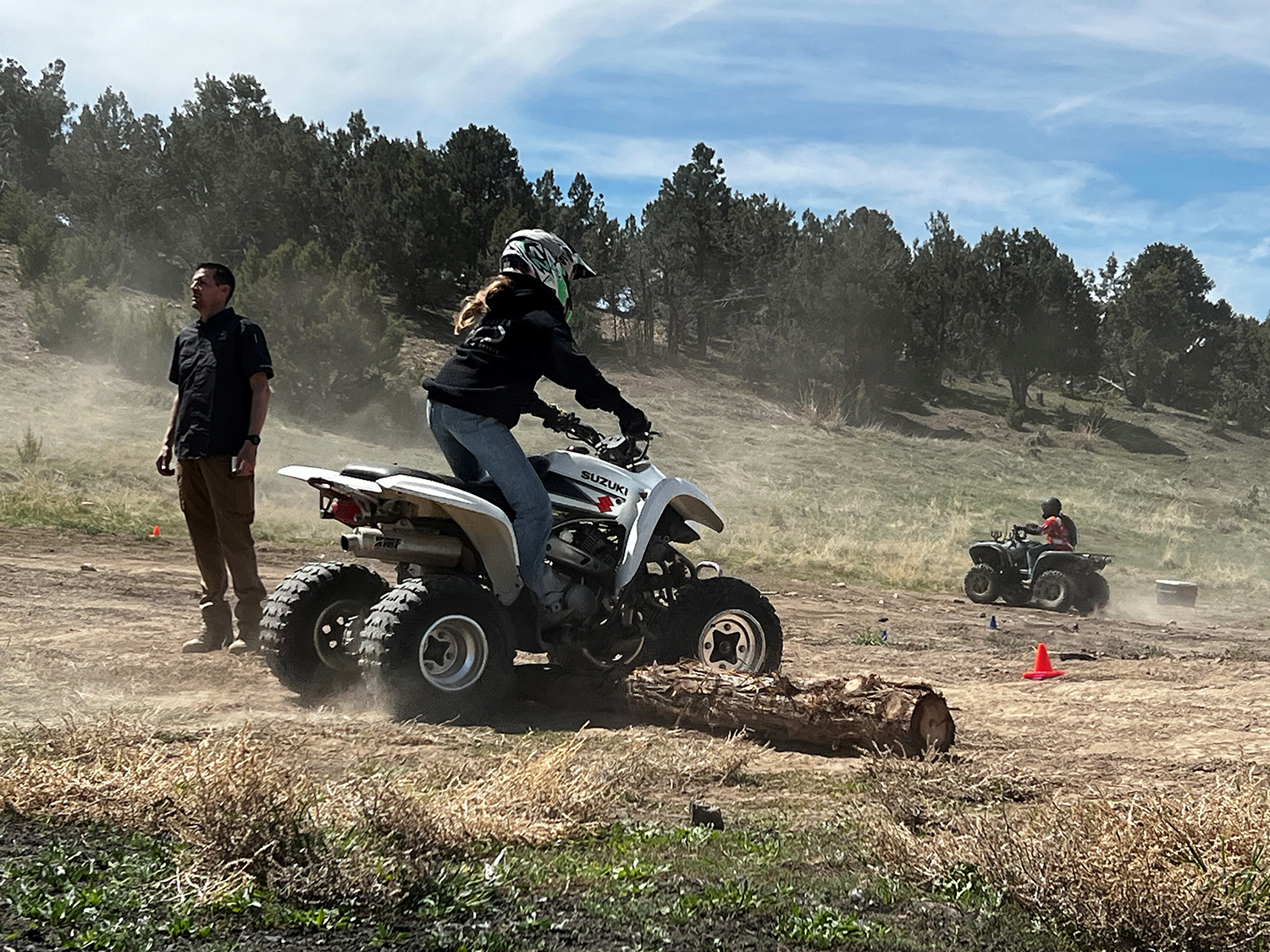
The dangers of riding ATVs are real, according to Intermountain trauma experts. Overturning, collisions, and ejection of the driver and riders are just some of the risks.
May is also National Trauma Awareness Month and Intermountain Health’s emergency medicine and trauma teams have five safety reminders to help everyone be safe this year and help avoid a trip to the emergency room while riding an ATV:
- Always wear protective headgear: Many ATV injuries are head injuries. Wearing a helmet may prevent or reduce the severity of these injuries. In addition, wear over-the-ankle boots, goggles, gloves, long pants, and a long-sleeved shirt to protect against cuts, abrasions, and other injuries from rocks, trees, and other debris.
- Check your vehicle: Ensure it’s in good working condition.
- Stay alert and know the terrain: Watch for obstacles and hazards on the trail. Riders frequently get into trouble when operating an ATV in terrain such as steep and rocky slopes that they do not have the skill level to know that they need to shift their weight- which is a common cause of rollovers.
- Ride with a buddy: It’s safer and more enjoyable.
- Do not permit Children to Drive or Ride Adult ATV’s: Children are involved in about 30 percent of all ATV-related deaths and emergency room-treated injuries. Most of these deaths and injuries occur when a child is driving or riding on an adult ATV. Children younger than 16 are twice as likely to be injured on adult ATVs as compared to those riding youth ATVs.
Research has also shown that common causes of ATV accidents can be attributed to too much power, challenging and unfamiliar terrain, overloaded ATVs, and drug and alcohol use.
Call for help.
If you are injured, do not delay care. If you have a medical emergency, call 911 or go to the nearest emergency department.
Also published on
Distributed via PR Underground